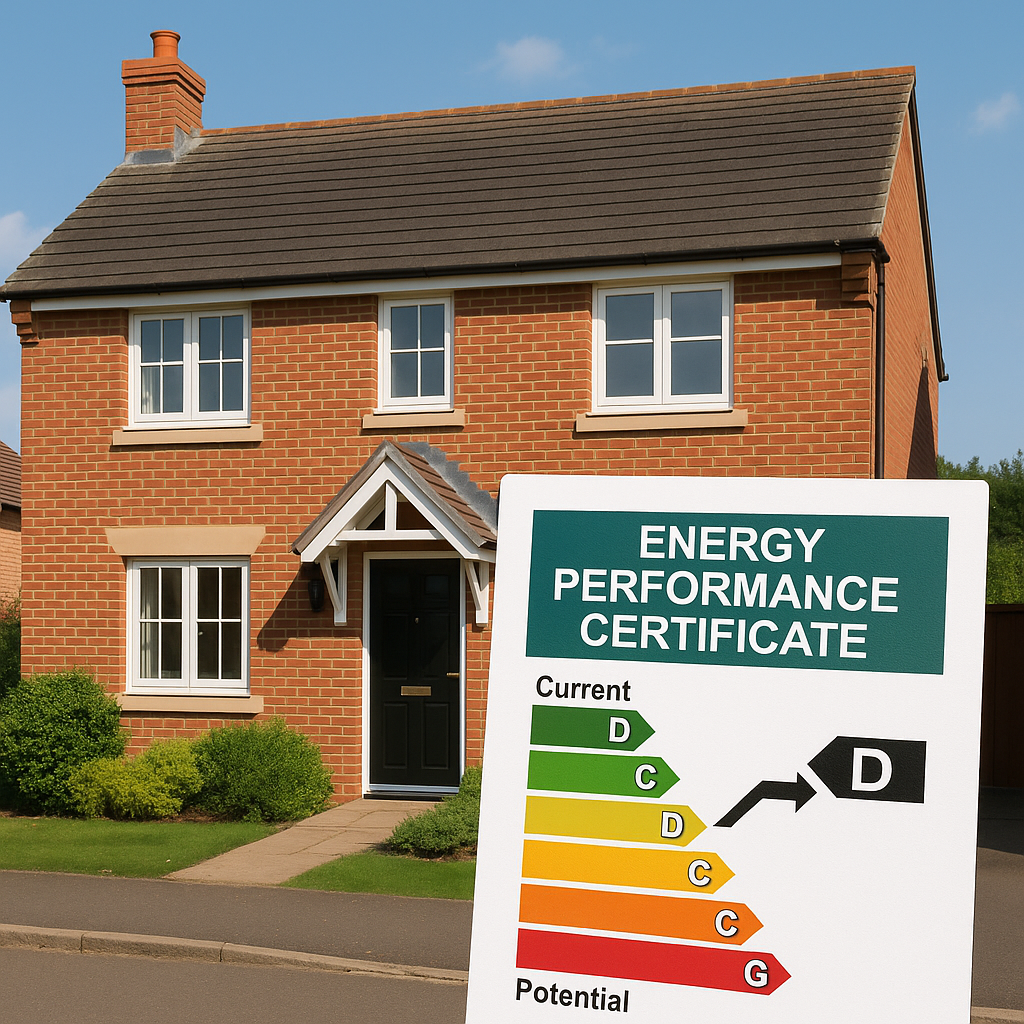
New rules for landlords regarding upgrading their property’s Energy Performance Certificates (EPCs) are yet to come fully into force. However, in our view, it’s probably only a matter of time before they do, and it makes good sense to get ahead of the game and start preparing now.
A property’s EPC provides a rating between A to G, indicating its energy efficiency performance – A being the highest rating and therefore the most efficient, while G is obviously the lowest.
At the moment an E rating is the minimum standard for a rental property in England and Wales. The new rules will set the minimum at a C rating, but that change has been delayed until 2028. That 2028 deadline could change, so it’s wise to make sure your property is at least a C as soon as possible.
The sooner you can secure a C rating, or higher, the better placed you will be in the rental market, because more energy-efficient properties are likely to let faster and be able to command higher rents. So, plan ahead.
If you’re wondering what steps to take first, then we’re here to help.
Cheltenham, like many historic towns, has a high volume of older Regency and Victorian housing stock, most of which were not built to today’s standards in terms of energy efficiency. They may be nice to live in and look at, but they can be very expensive to heat.
Because heating and electricity are expenses which are typically picked up by tenants, and energy costs are rising, those flats and houses which are most energy efficient are becoming more desirable.
As one of the leading lettings agents in the area, our experience shows landlords will benefit from improving EPC ratings right now, because:
In short, energy inefficient houses and flats are starting to underperform even before regulations tighten again.
Despite the government’s U-turn on the EPC deadline, the direction remains clear: the market is moving towards greener homes, lower emissions, and tighter standards.
In towns like Cheltenham, and around the Cotswolds, local authorities are encouraging retrofit improvements through planning and conservation guidance, even for listed and period buildings. However, some listed properties are exempt from EPC ratings requirements because of their historic importance. For example, it would not be possible to retrofit internal/external wall insulation to a Grade-II building.
If you own a listed property that you want to let, get in touch. We can advise on what may or may not be advisable or necessary.
If your rental property(ies) can be upgraded in terms of energy efficiency, then we recommend you consider the following actions:
(*EPC methodology has changed several times and certificates that are more than five years old often underestimate efficiency. This can be easily improved with minimal works).
There is financial support available for efficiency upgrades, and this includes grants from Green Finance and Local Authorities. There is also a Boiler Upgrade Scheme for installing air source heat pumps.
We recommend you prioritise and target the most cost-effective upgrades and we can advise you on making the changes. Our team can:
There is no restriction as to the contractors you choose to do the works but the installations will need to be signed off by an Energy Performance Assessor though (we can offer advice).
Bear in mind that upgrades can be disruptive, so scheduling the works between tenancies is probably sensible. It will allow installation/s to proceed smoothly and ensures compliance before re-letting.
As we’ve indicated, the most energy efficient properties tend to be in highest demand, meaning time between tenancies is likely to be reduced.
You can also factor the cost of improvements into the rents you charge on a sliding scale that reflects the investment level. For example, installing LED lighting would be considered relatively low investment and a relatively easy retrofit. By contrast, at the opposite end of the scale, you might want to install condensing boiler controls.
Either way, every improvement you make adds to your points score for a higher EPC rating.
Properties with improved EPCs will:
In Cheltenham, where demand for period property is strong, sympathetic upgrades (such as secondary glazing and efficient boilers) can make a Regency building or flat more desirable without compromising its character.
We also believe that doing nothing is likely to cost you more in the long run. Poor EPC ratings will reduce your yields, limit refinancing options, and make future compliance harder.
In our view, forward-thinking landlords should be reviewing portfolios now, before contractors and surveyors become booked out when the next round of targets inevitably arrives.
Further reading:
Choosing a Buy-to-Let Property